
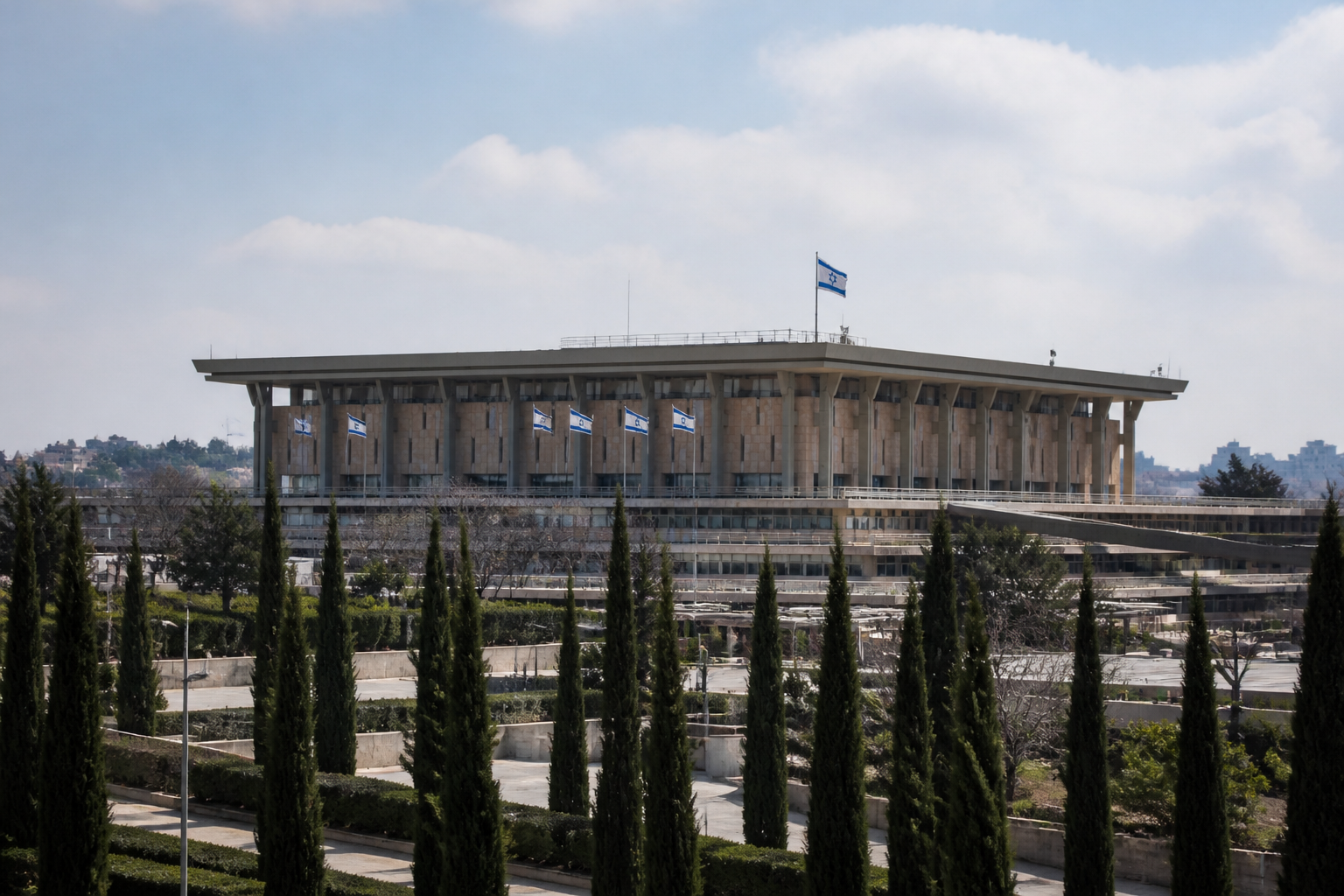
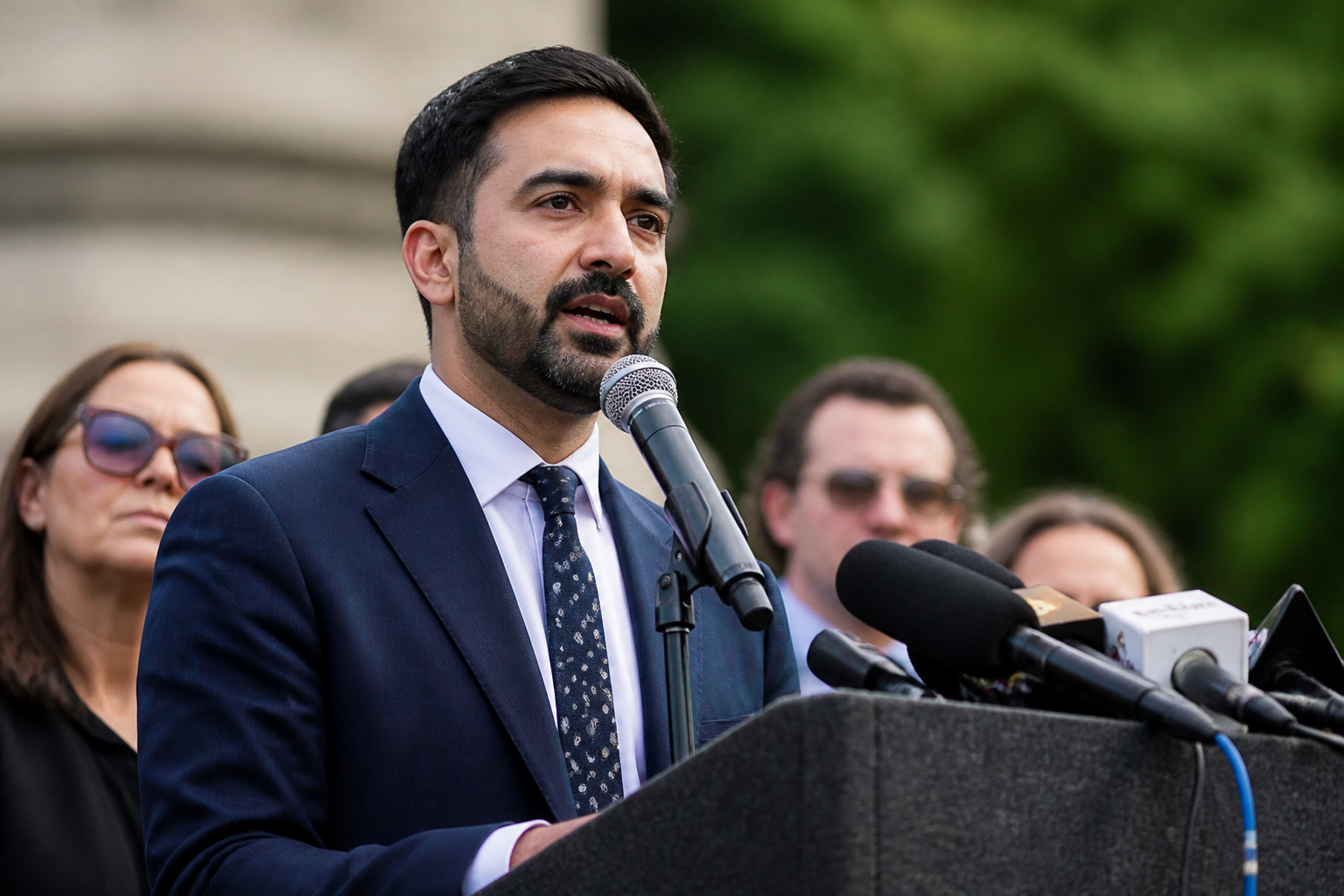
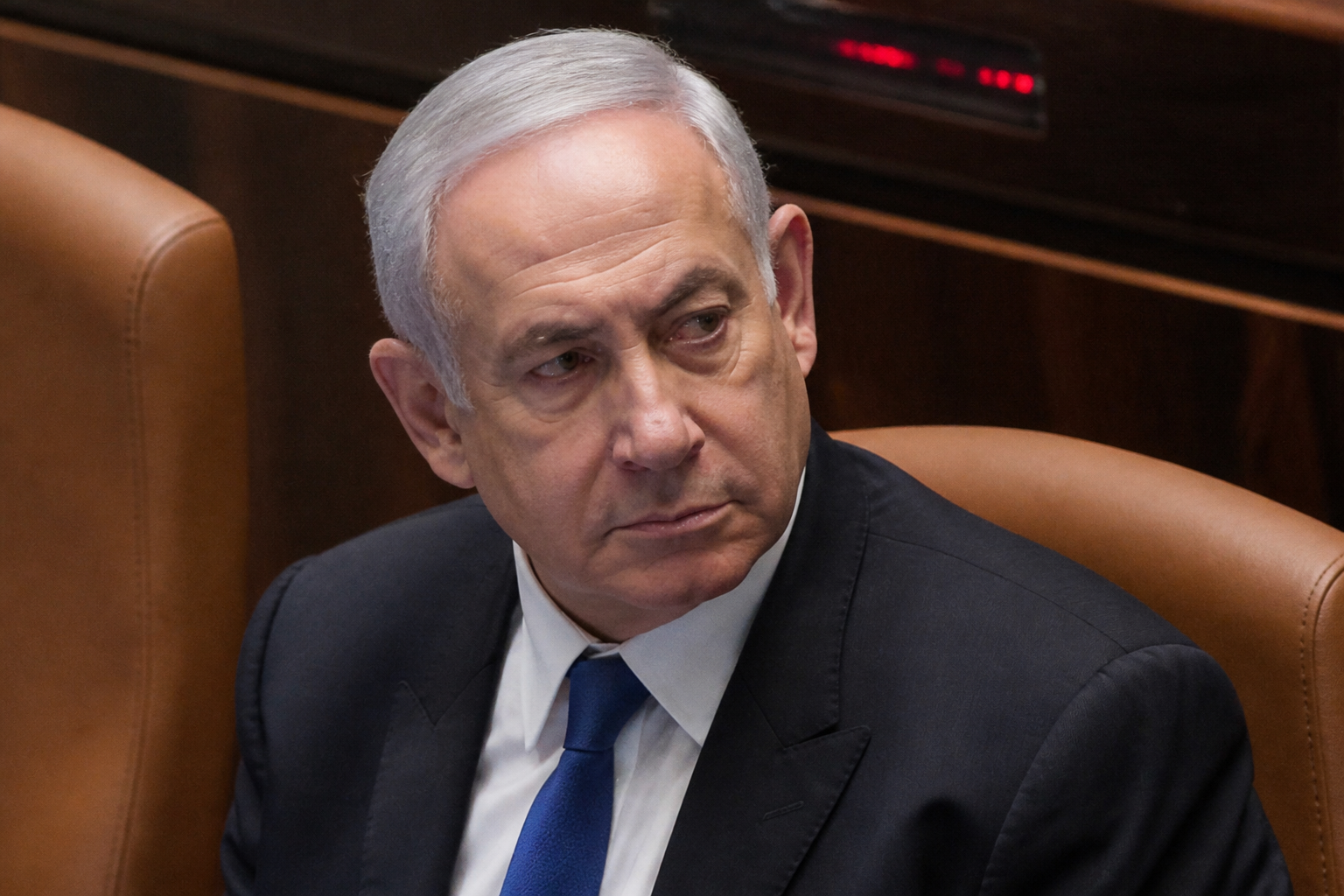
Yashar party leader Gadi Eisenkot is currently working on his next political maneuver, a plan that Jerusalem News Syndicate contributor Amit Segal suggests could backfire and culminate in a modern iteration of Israel’s historic political missteps. Within the Yashar faction, two distinct ideological currents frequently emerge. The first is the staunch opposition wing, heavily motivated by dissatisfaction with Israeli Prime Minister Benjamin Netanyahu's extended tenure, which echoes the sentiment that a leadership change is urgently needed.
The Internal Dynamics of the Yashar Party
The second major current within the faction leans toward political unity. This sentiment has drawn various members toward recent cross-party dialogue, highlighted by visits to unity initiatives involving figures such as Hili Tropper and Matan Kahana. However, Eisenkot's broader strategy appears centered on establishing a narrow 48-seat government that could potentially rely on external support or abstention from Arab political parties. This approach follows difficult negotiations with the Likud and ongoing talks involving Avigdor Liberman and the Haredi parties.
Amit Segal notes that Eisenkot has previously been transparent about his intentions to form a minority administration without compromising his core pledges. Yet, this rigid adherence to campaign promises presents a major obstacle, as key political figures like Naftali Bennett and Avigdor Liberman continue to voice strong opposition to a government dependent on Arab party backing.
Parallels to Historical Israeli Political Maneuvers
Examining Eisenkot's potential next steps, analysts draw comparisons to past political strategies in Israel. While some observers see similarities to Ariel Sharon’s resolute decision-making style, critics argue that forcing a parliamentary vote on a minority coalition could collapse under internal pressures, potentially mirroring failed historical maneuvers such as the infamous 1990 political crisis.
At the same time, intricate negotiations continue behind the scenes involving Haredi lawmakers and other key political actors attempting to construct alternative coalitions that can secure a stable majority in the Knesset. Whether Eisenkot's calculated risks will yield a new government or force the country toward yet another unexpected round of elections remains a central question in Israeli politics.
 X
 WhatsApp
 Facebook
 Telegram
 E-posta




Yorumlar 0
Saygılı, konuya ilişkin ve kişisel veri içermeyen yorumlar yayınlanır.